
Sharing thoughts, ideas, and unsolicited advice about memoirs, journaling, and creative nonfiction.
What Is a Memoir? And Should You Write One? (Part 4)
Taking a break to see what you have, so far…


So, you’ve written a few drafts and they’re sitting there, wondering what you’re going to do next:
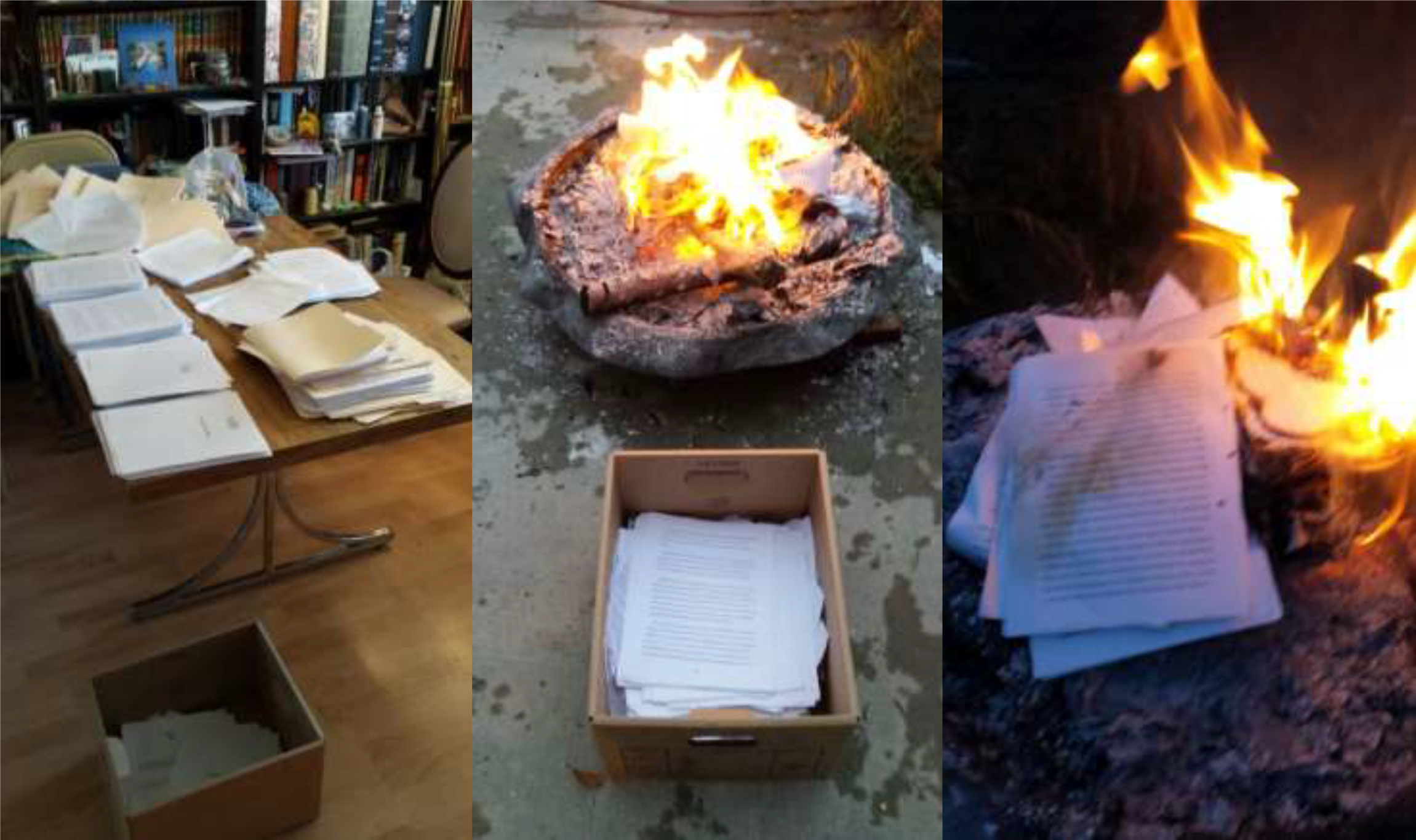
Ready them for revision or the firepit?
One draft is three pages long, another a whopping twenty sheets. But at this point, length doesn’t matter. What you need to look at is content.
Before you do anything else, write a title at the top of Page One and call it Rev A.
Do that for each draft copy.
Given the fact that you’re new at this, there’s a distinct possibility that you have some “diary” entries amidst the good stuff. The last thing you want, at this point, is to write anything that even remotely resembles a journal entry…
For example, a blow-by-blow description of your drive across the Midwest: the places you stopped, the food you ate, that three-day stretch of food poisoning, or the fun you had at Disney World. Funny and sad things you encountered along the way. Lots of description, but not much, if any, reflection about the things you saw, heard and felt.
By comparison, the “good stuff” would include a short paragraph about the joy you felt upon entering a beautiful stretch of forestland- a passage that involves all your senses and causes you to remember how little the woodland has changed since you last saw it, as a child.
3. Read each draft, underlining or highlighting the insightful passages. This is one of several reasons why you shouldn’t toss those initial drafts, even after you revise them and come up with better stuff, later on.
At some point in this process, you have to get realistic about your project. Ask yourself if you are up for doing a lot of revision.
4. If you feel totally at sea, even after several attempts, set the writing aside.
5. Seek out someone with writing experience, or enroll in a creative nonfiction writing class. (Any writing class is better than none, but nonfiction writing takes a different course than fiction does.) Taking a class may mean a few months’ delay in your project, but you’ll learn so much that you’ll be glad you took the time off.
6. Once you feel confident in your developmental editing skills, revise the drafts. As you do so, ask yourself this: Is what I’m reading here pertinent to the idea behind this story? Or: Does this story fit into the bigger picture I’m trying to paint?
Taking a step back, you eventually have to ask yourself if what you’re writing is a collection of standalone tales, or a string of loosely connected stories. They could all be about traveling to different places, and be very entertaining, but they’re still standalone stories- which doesn’t fit the memoir model.
On the other hand, they could be a collection of travel tales with a common thread running through them- like what you experienced being wheelchair-bound during your travels.
Maybe you’re writing about the scores of jobs you held, and your writing addresses several employment-related issues, along the way.
Remember- you’re job is to not only entertain and uplift, but to educate, as well. (And when I say “educate,” I don’t mean you should preach.)
Again, if this kind of analysis is outside your mental bandwidth, seek out the opinions of more experienced writers. Their input will help you figure out which parts of each draft are germane to your overall vision for the writing- and which parts are too far off the beaten path.
Comments and questions are required welcomed. Ask me anything about memoirs, journaling or personal histories.

Comments
No comments yet. Be the first to comment!